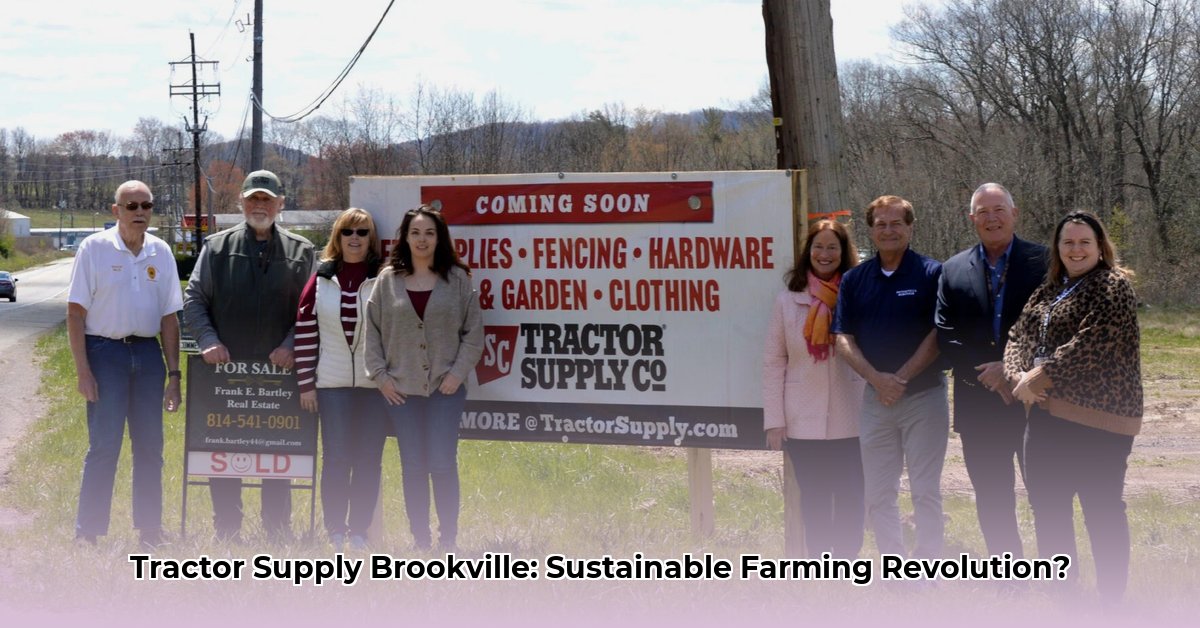
The arrival of Tractor Supply in Brookville, Pennsylvania, presents a complex situation for local farmers and the broader community. While offering increased access to agricultural supplies and potentially boosting efficiency, it also raises concerns about the promotion of sustainable farming practices and the viability of smaller, local businesses. This article examines the multifaceted implications of Tractor Supply's presence, exploring both its advantages and potential drawbacks. For raised bed gardening needs, check out this helpful resource: raised bed soil guide.
Easier Access to Supplies: A Double-Edged Sword
Tractor Supply's convenience is undeniable. Reduced travel time and fuel costs translate to increased profitability for farmers, allowing them to focus on their operations rather than transportation logistics. This accessibility is particularly beneficial for smaller farms previously reliant on distant suppliers. However, this convenience raises a critical question: will this ease of access lead to a prioritization of sustainable practices, or will the emphasis on readily available, potentially less sustainable products outweigh the positive effects? Data on fuel savings for local Brookville farmers relative to previous sourcing methods would provide valuable context.
The Sustainability Challenge: Conventional vs. Conscious Choices
Tractor Supply's extensive inventory predominantly features conventional farming supplies. While some sustainable products might be available, their prominence relative to conventional alternatives is unclear, raising concerns about the potential for increased use of practices detrimental to the environment. The lack of transparent labeling regarding sourcing and production methods for many products further complicates the assessment of their environmental impact. This lack of information creates a crucial gap in allowing farmers to make truly informed choices about sustainability. This isn’t simply about individual farmer choices; the broader impact on the local ecosystem is a key consideration.
Local Businesses: Navigating a Changing Landscape
The arrival of a large retailer significantly impacts existing local businesses. These smaller operations face intensified competition, potentially leading to closures or staff reductions. However, adaptation is possible. Some businesses might thrive by specializing in niche markets, offering products or services that Tractor Supply doesn't provide, such as organic or locally-sourced options. Collaboration among local businesses, pooling resources and expertise, could also strengthen their competitive position. The resilience and adaptability of these businesses will be crucial in the face of this new economic dynamic.
Specific Product Analysis: Seeds, Feed, and Fertilizers
A closer examination of specific product categories reveals further complexities:
Livestock Feed: The sourcing of livestock feed is crucial. Locally sourced, sustainably produced feed minimizes transportation costs and environmental impact. However, without transparent labeling indicating sourcing and production methods, it's difficult for farmers to make informed decisions. A study on the environmental cost-benefit analysis of local versus large-scale feed providers could inform future planning.
Seeds: The availability of diverse seed varieties, including heirloom and organic options, is vital for maintaining agricultural biodiversity. The extent to which Tractor Supply prioritizes these options is critical for the health of the local ecosystem. Further research focusing on seed variety availability and their local suitability would clarify the situation.
Fertilizers: The environmental impact of fertilizers varies significantly. The lack of easily accessible information on the composition and potential environmental consequences of Tractor Supply's fertilizer selection hinders responsible decision-making. Clearer labels and readily available information on product origin and environmental impacts are essential.
Stakeholder Perspectives and Actionable Strategies
Understanding the perspectives of key stakeholders is crucial:
Local Farmers: Should explore alternative suppliers, prioritize sustainable farming practices, and advocate for more sustainable product options from Tractor Supply. Long-term actions include actively participating in local farming initiatives to promote sustainable agriculture.
Local Businesses: Need to assess their competitive advantages, diversify their product offerings, and explore potential collaborations with other local businesses and even with Tractor Supply itself. Long term they could focus on unique marketing, highlighting local sourcing and sustainable practices.
Jefferson County Council: Should monitor Tractor Supply’s environmental impact, engage with the community, and develop policies to support local businesses and sustainable agriculture.
Tractor Supply: Should increase transparency in product sourcing and labeling, engage directly with local stakeholders, and invest in offering a wider array of sustainable products.
Community Collaboration: Building a Sustainable Future
Proactive community engagement is key to mitigating potential negative impacts. Local governments and community organizations must promote sustainable agricultural practices through educational initiatives, and support local businesses. A collaborative effort, uniting farmers, retailers, and policymakers, is essential. This collective action will shape the future of Brookville's agricultural landscape. The potential for this kind of community-driven sustainability initiative to succeed is high.
Conclusion: Navigating the Opportunities and Challenges
Tractor Supply's arrival presents both opportunities and challenges to Brookville’s agricultural sector. While increased access to supplies offers benefits, a collective effort is essential to mitigate the potential risks to sustainable farming and local businesses. Proactive planning, community engagement, and transparent practices are crucial for achieving a balance that maximizes benefits while minimizing negative consequences.